Solutions That Work: From the City, For the City
Mumbai Climate Week Spoke Event
Tanisha Arora, Art Director and Creative Strategist
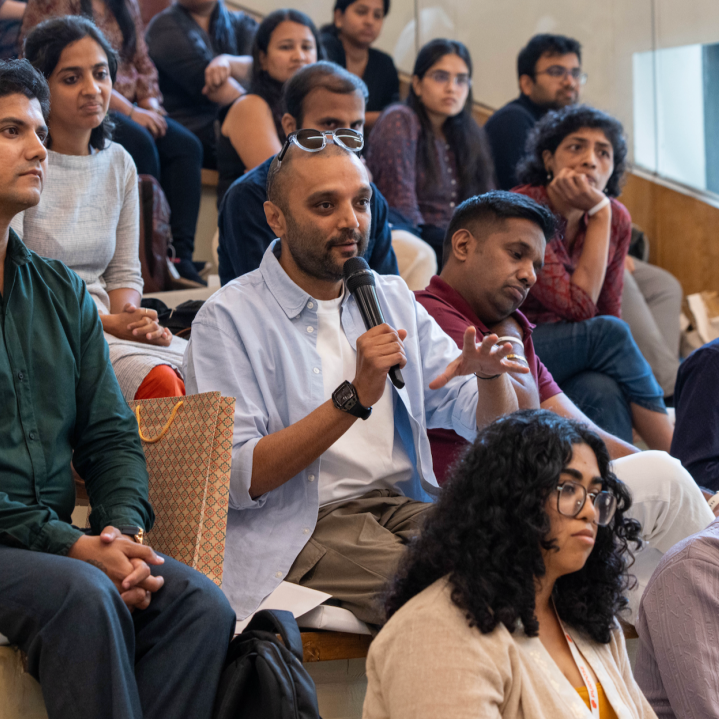
On 14th February 2026, at the Museum of Solutions , leaders from across Mumbai’s waste ecosystem came together for “Solutions That Work: From the City, For the City” a half-day convening hosted by the Global Methane Hub in collaboration with Purpose .
Curating this convening felt both urgent and hopeful.
Mumbai generates over 7,000 metric tonnes of waste every single day — as Freishia Bomanbehram aptly put it, roughly the weight of 1,000 elephants. And that’s only part of the story. With rapid redevelopment and rising skyscrapers, the city also produces over 8,000 tonnes of construction debris daily.
Yet across housing societies, institutions, markets, and schools — community-led organisations and initiatives are proving that effective segregation and decentralised waste systems not only exist, but are already delivering results.
The real question isn’t whether solutions exist. They do.
The question is: how do we strengthen what’s already working and scale it across the city?
“We have a broken relationship with waste. As incomes rise, we are getting more and more disconnected with our levels of consumption and waste generation,” said Manjyot Kaur Ahluwalia, Ph.D., Asia Regional Lead at Global Methane Hub. “We need to take more ownership of our waste and be part of the solution that supports the city’s systems and includes dignity and care for waste workers. And hearing from these leaders reminds us that we may already have access to the cheapest, easiest, and best solutions to address the management crisis – we just need additional investment and engagement to scale them further.”
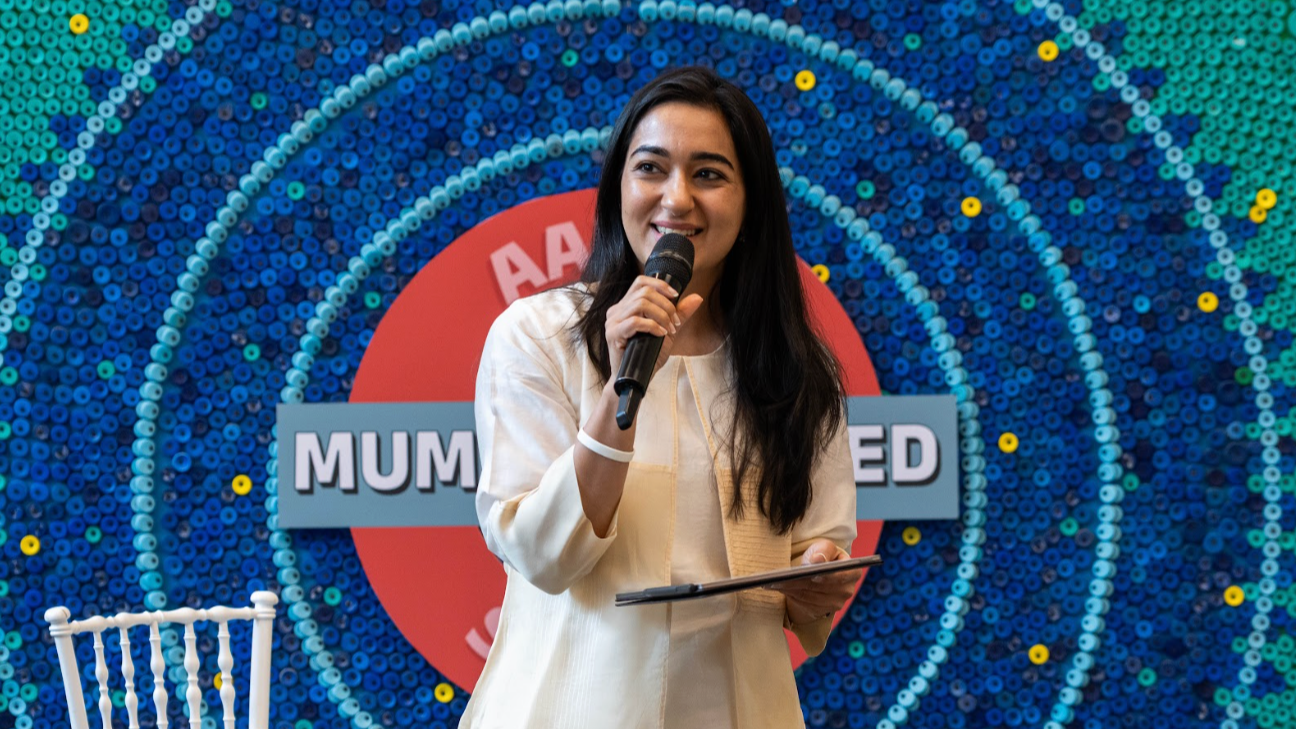
From Pilots to Citywide Systems
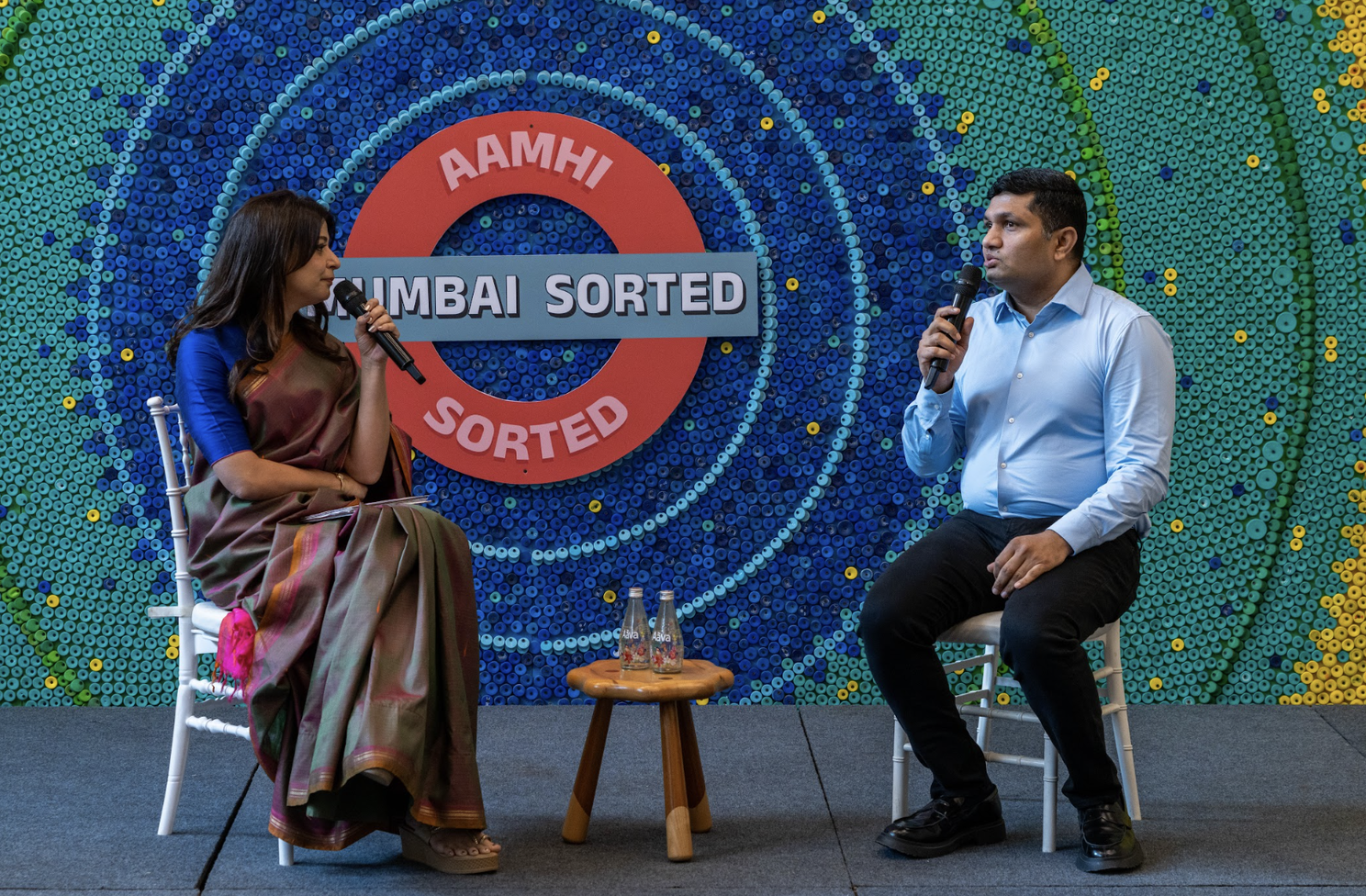
A candid and constructive conversation between Freishia Bomanbehram and Kiran Dighavkar , Deputy Municipal Commissioner (SWM) at the Brihanmumbai Municipal Corporation, reflected on how far Mumbai has come over the last decade and what it will take to move from pilots to durable, city-wide systems.
As Mr. Dighavkar shared:
“For any good behavior change on waste to truly succeed in society, three pillars are essential: a strong governmental system with clear rules and strict monitoring; aware and responsible citizens who choose to participate not because someone is watching, but because they believe in change; and strong community-based organizations that act as catalysts between citizens and institutions, creating a powerful wave of civil society.”
Building on this momentum, the city is now strengthening its collection infrastructure to further enable effective waste segregation. For example, green waste collection vehicles previously open at the rear have been redesigned. The new fleet will be fully enclosed, introduced in new colors, and dedicated to the efficient collection of kitchen and other wet waste.
Mr. Kiran also underscored an important contextual reality: unlike many countries in the Global North, India’s waste composition is significantly skewed toward wet waste. Any scalable solution, therefore, must respond to this on-ground reality prioritising systems that effectively manage organic waste at source rather than simply replicating models from elsewhere.
Solutions Already in Motion
We also heard from practitioners who have already built ready-to-scale models:
- Bintix on simple tech tools for waste segregation and management
- Green Communities Foundation on shifting resident behaviour
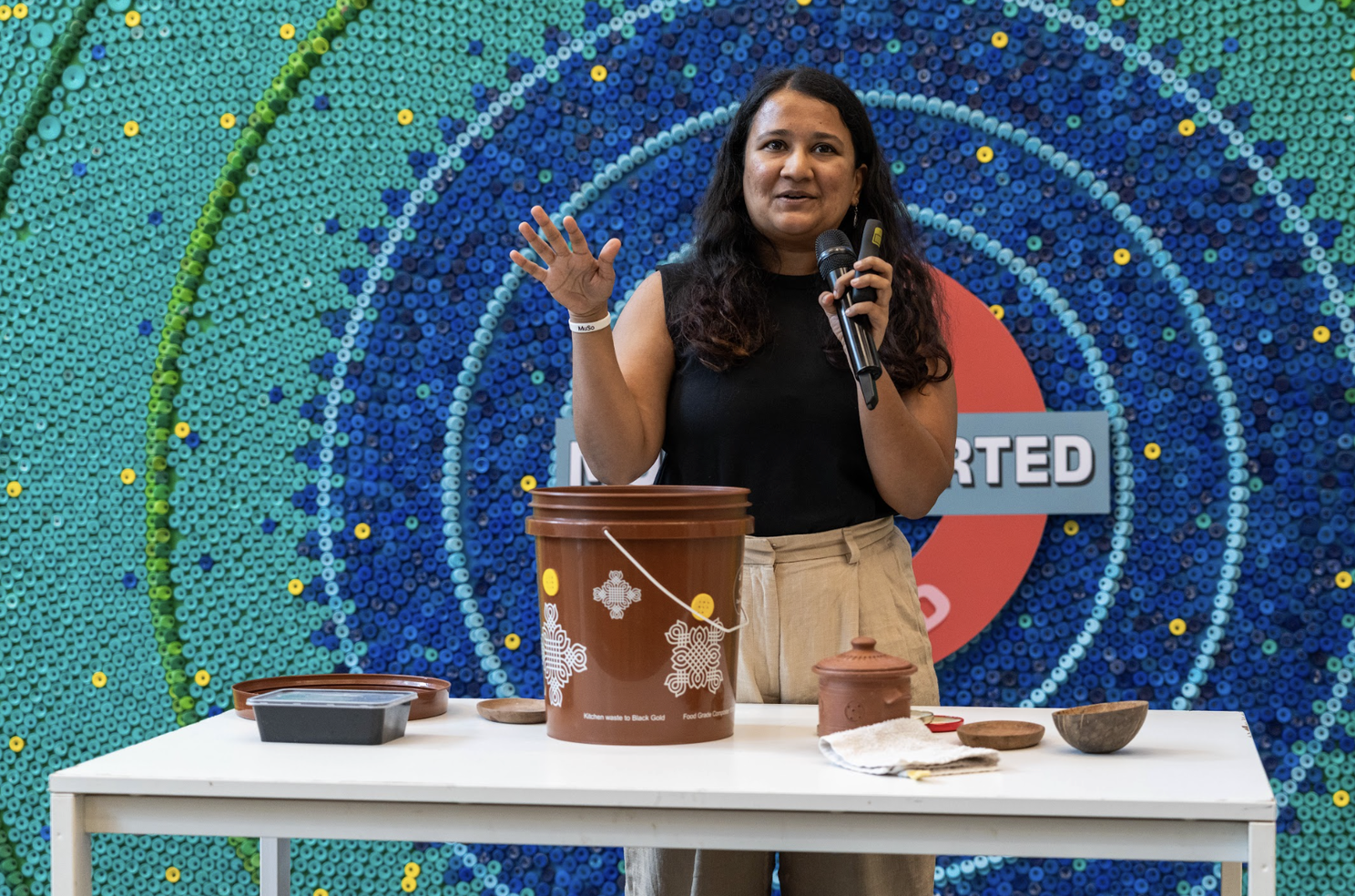
- Skrapon hands-on composting demonstrations for homes and institutions
One of the standout moments was Mapping Mumbai’s Waste, an all-women panel led by Mandira Kalra Kalaan featuring Dipti Salvi, Senior Manager for Waste and Methane in Mumbai at C40; Dr Lata Ghanshamnani, Co-Founder of the RNisarg Foundation; Deepti Talpade, Program Lead for Urban Development and Resilience at WRI India; and Jyoti Mhapsekar, founder and President of Stree Mukti Sanghatana.
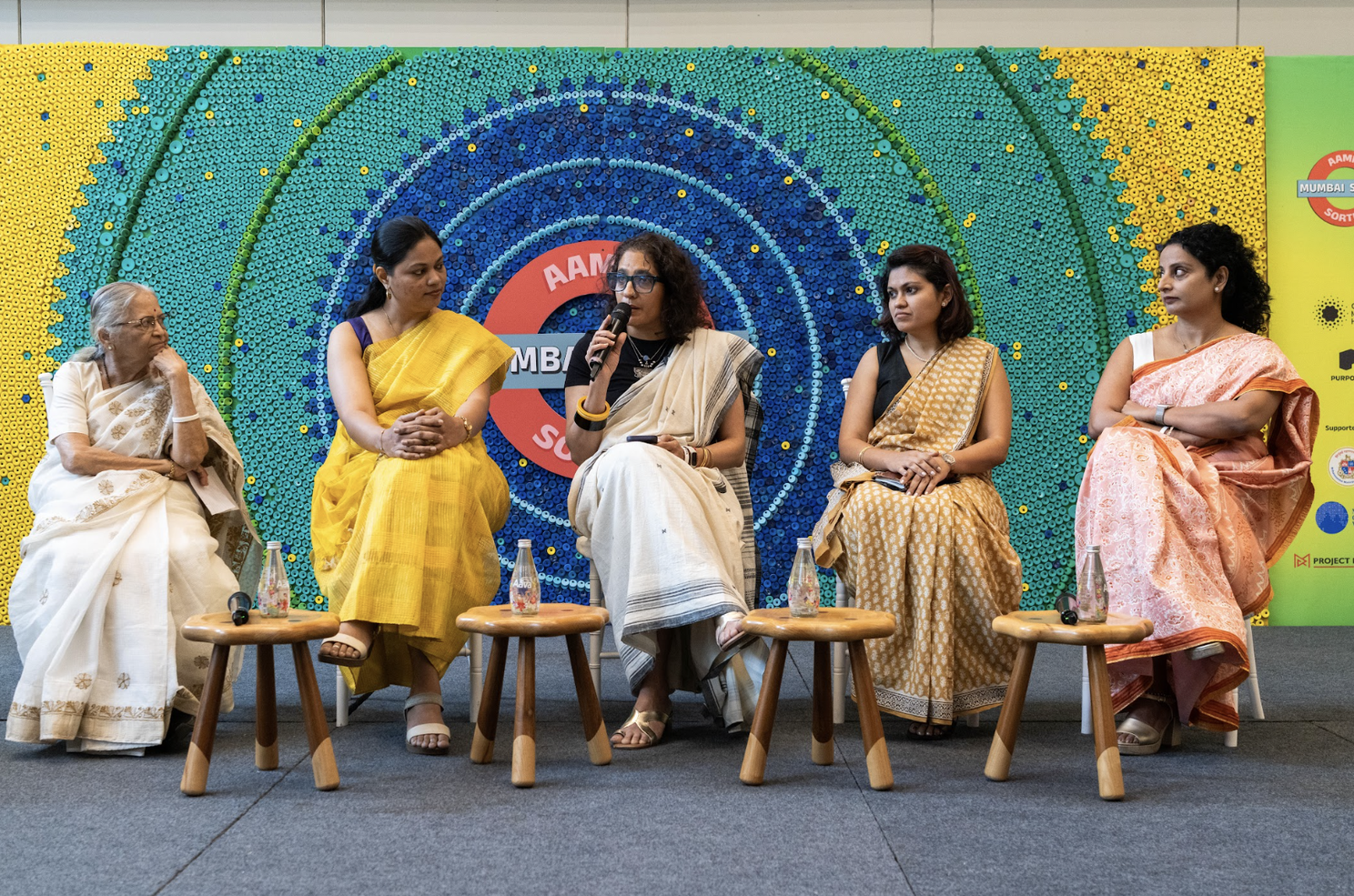
“Urban waste is a shared challenge, and meaningful progress depends on dialogue and collaboration across the entire ecosystem from citizens and civil society to government and the private sector. Moving beyond blame allows us to focus on what works and to scale solutions that are already within reach. Real change happens when every stakeholder recognizes their role and works together to build cleaner, more sustainable and resilient cities.” said Mandira Kalaan, Head of Office at Purpose India.
Beyond the panels, the space itself carried the message.
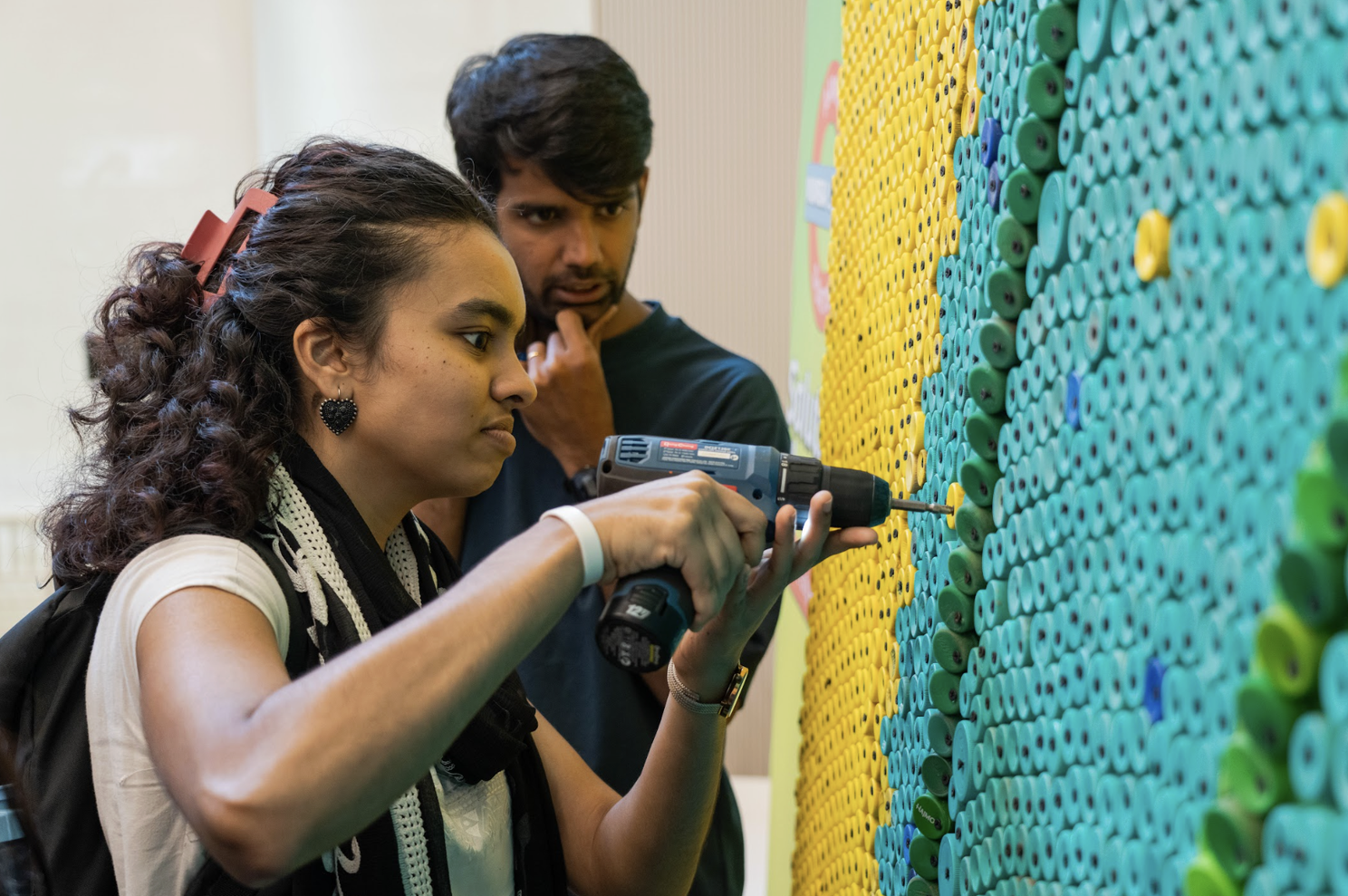
Echoed Earth, a climate art installation by Greener Earth Foundation, created from 15,000 discarded bottle caps arranged in Mumbai’s dry, wet, and sanitary waste colours, reminded participants that individual acts of segregation ripple outward into systemic change. Watching participants physically sort caps into their respective colour zones made the metaphor tangible.
If there’s one key insight we took away from this process, it’s this: Mumbai doesn’t need to reinvent waste solutions. The models, pilots, and community-led innovations already exist. What’s needed is stronger alignment, sustained investment, and the courage to scale what’s already working.
And just as critically, we need more imaginative, culturally resonant ways to communicate, to shift mindsets, inspire ownership, and drive lasting behaviour change.